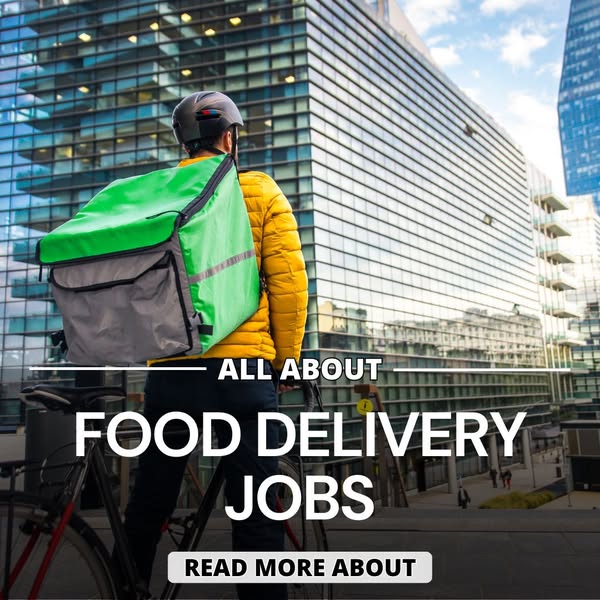
Food delivery jobs have become increasingly popular across the world due to the rapid growth of online food platforms and changing consumer habits. In countries such as Spain, Italy, and Brazil, food delivery work offers flexible income opportunities, especially for students, migrants, and people seeking gig-based employment. While the nature of the job is similar across these countries, local laws, pay structures, and working conditions vary.
1. Food Delivery Jobs in Spain
In Spain, food delivery jobs are widely available in major cities like Madrid, Barcelona, Valencia, and Seville. Popular platforms include Glovo, Uber Eats, Just Eat, and Deliveroo (before its exit).
Spanish delivery workers, commonly called riders, usually work using bicycles, scooters, or motorcycles. In recent years, Spain introduced the “Rider Law”, which requires delivery platforms to classify most riders as employees rather than independent contractors. This law improved workers’ rights by ensuring minimum wages, social security contributions, paid leave, and insurance.
Advantages:
- Legal protection and employee benefits
- High demand in urban areas
- Flexible schedules
Challenges:
- Platform competition
- Strict labor regulations for companies
- Weather conditions affecting deliveries
2. Food Delivery Jobs in Italy
Italy has a strong food culture, making food delivery services very popular in cities like Rome, Milan, Turin, and Naples. Leading platforms include Deliveroo, Glovo, Uber Eats, and Just Eat.
In Italy, delivery workers may be hired as freelancers or under temporary employment contracts, depending on the platform. The government has introduced regulations to improve safety, minimum pay, and insurance coverage for riders, though enforcement can vary.
Most deliveries are done using bicycles or scooters, especially in historic city centers where traffic restrictions exist.
Advantages:
- Steady demand due to strong food culture
- Opportunity for part-time or flexible work
- Tips from customers can increase earnings
Challenges:
- Income instability for freelancers
- Traffic and narrow streets in cities
- Seasonal demand fluctuations
3. Food Delivery Jobs in Brazil
Brazil has one of the fastest-growing food delivery markets in Latin America. Major platforms include iFood, Uber Eats (formerly), and Rappi. Food delivery jobs are especially common in large cities such as São Paulo, Rio de Janeiro, Belo Horizonte, and Curitiba.
In Brazil, most delivery workers operate as independent contractors, often using motorcycles due to long distances and urban layouts. While earnings can be attractive during peak hours, workers usually do not receive employment benefits such as health insurance or paid leave.
Advantages:
- High demand and large customer base
- Flexible working hours
- Possibility of higher earnings with motorcycles
Challenges:
- Lack of labor protections
- Safety concerns and traffic risks
- Fuel and maintenance costs
Conclusion
Food delivery jobs in Spain, Italy, and Brazil provide accessible employment opportunities with flexible schedules and relatively low entry barriers. Spain offers the strongest legal protections for delivery workers, Italy presents a balance between flexibility and regulation, while Brazil offers high demand but fewer worker protections. As the gig economy continues to evolve, food delivery work remains an important source of income for millions of people across these countries.